
Owning a Small Shop – What Business Can You Start in India?

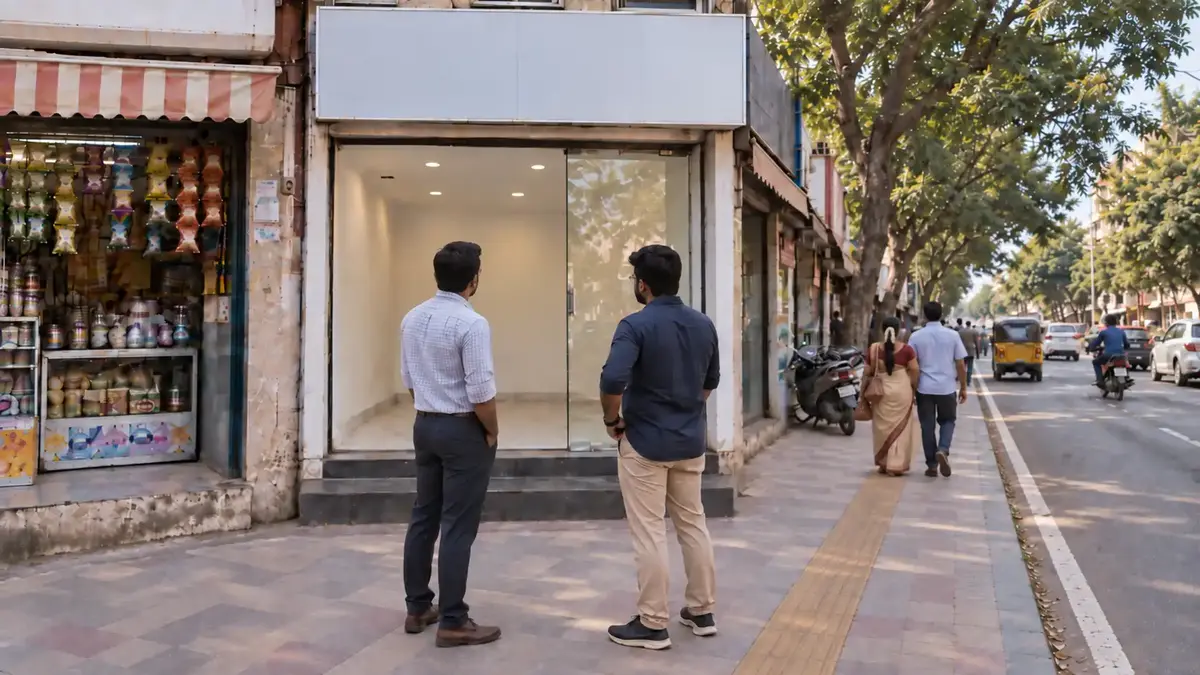
Owning a small shop already gives you a significant advantage: a physical space to start a business. It is not just about which business is popular; it’s all about which business fits your shop’s size, location, customer base, budget, and the level of daily involvement required.
Quick Answer is If you already own a small shop in India, start by matching your available space and location with local customer demand. Beverage outlets, convenience retail, mobile accessories, stationery, courier services and selected franchises are practical categories worth evaluating.
Table of Contents
What Business Can You Start in a Small Shop in India?
A small shop business can range from beverages and snacks to mobile accessories, courier services and convenience retail. The right choice depends mainly on local demand, available space, customer footfall, competition, investment and how actively you want to operate it.
- Filter coffee or beverage outlet
- Tea and quick-snack shop
- Mobile accessories store
- Bakery and packaged snacks
- Stationery and printing shop
- Dairy or ice-cream outlet
- Courier and parcel service
- Personal-care services
- Repair and service centre
- Small convenience store
Before Choosing a Business, Understand Your Shop
Choosing a business simply because it appears successful elsewhere can be risky. Start by analyzing the shop space you already have. Factors such as its usable size, frontage, surroundings, nearby businesses, and daily customer footfall can help narrow down dozens of ideas into a few realistic options.
1. Measure Your Shop’s Available Space and Storefront
Start with the usable floor area rather than the total size of the property. Measure customer standing space, storage, counters, equipment, and staff movement while considering how clearly people walking or driving past the shop can notice your storefront.
- Total usable square feet
- Shop frontage
- Storage space
- Water availability
- Electricity capacity
- Air circulation
- Customer waiting space
2. Observe Who Passes By Your Shop Every Day
Customer footfall becomes valuable only when you understand who is driving that traffic. Office workers, students, commuters, families, and local residents have different purchasing habits, preferred times, and spending patterns; therefore, observe the area before deciding which products or services to sell.
3. Decide Your Investment and Working Capital
Do not spend your entire budget on interiors, equipment or franchise setup. A new business normally needs extra working capital for inventory, salaries, utilities, local marketing and unexpected expenses before customer demand and monthly cash flow become predictable.
- Setup investment
- Equipment
- Inventory
- Deposit or rent
- Staff costs
- Marketing
- Working capital
- Emergency fund
4. Decide How would You Want to Be Involved
Some businesses require the owner to be present all day, while others can operate with trained staff and established systems. Consider your available time, experience, and willingness you have to regularly manage customers, inventory, suppliers, cleanliness, accounts, and employees.
10 Small Shop Business Ideas in India
There is no single best business for a small shop; the ideas listed below are suitable for various types of small commercial spaces, budgets, and locations. They will help you compare opportunities before investing, rather than simply choosing a business category based on current popularity.
1. Filter Coffee or Beverage Outlet
A small filter coffee or beverage shop is ideal for locations like offices, shopping streets, colleges, and transport hubs, where customers can enjoy a quick break. When product quality, speed of service, and location are consistent, beverage businesses can also benefit from repeat customers.
- Commercial streets
- Offices and IT Hubs
- Colleges
- Hospitals
- Bus and railway areas
- Busy residential areas
2. Tea and Snack Shop
Tea and snack stalls thrive in areas that experience steady foot traffic throughout the morning, afternoon, and evening. Keeping the menu manageable simplifies purchasing and operations, while offering familiar items attracts office workers, students, shoppers, drivers, and local residents looking for a quick break.
3. Mobile Accessories Store
A mobile-accessories shop requires less customer seating than many food businesses, allowing display space to become the priority. Products such as cases, chargers, cables, and screen protectors—along with select repair services—are well-suited for locations like markets, college areas, and residential neighborhoods.
4. Bakery and Packaged-Snack Shop
A small bakery or snack counter can serve customers looking for quick takeaway purchases rather than those who prefer to sit and dine. Residential neighbourhoods, schools, offices and shopping areas may provide repeat demand, although product freshness, wastage and inventory management require careful daily attention.
5. Stationery, Printing and Photocopy Shop
Stationery and document services are well-suited for areas near schools, colleges, coaching centers, government offices, and business hubs. Offering services such as printing, photocopying, scanning, and lamination alongside stationery gives customers multiple reasons to visit the same small shop.
6. Dairy Products, Dessert, or Ice Cream Outlet
A small shop selling milk products, desserts, or ice cream could perform well in residential areas or busy evening markets. Before investing, analyze factors such as seasonal demand, refrigeration costs, nearby competition, and whether the location attracts sufficient footfall from families and young people throughout the year.
7. Courier and Parcel Service
Courier or parcel services are suitable even for relatively small premises, as they primarily require a customer counter, a parcel handling area, and organized storage. These services can be well-suited for residential areas, commercial markets, and neighborhoods with online sellers, professionals, or small local businesses.
8. Personal-Care or Grooming Service
Certain personal care and grooming concepts can operate in small premises if the space is planned efficiently. Success depends largely on service quality, cleanliness, the customer experience, and local demand; therefore, it is worth evaluating residential and mixed-use areas before investing.
9. Repair and Local Service Centre
If you or your staff possess technical skills, a repair-focused business can generate demand without the need to maintain extensive retail inventory. Service-based businesses—such as those repairing mobile devices, electronics, or appliances, or offering customer services—rely heavily on local needs, the quality of technicians, trust, and the accessibility of the location.
10. Mini Convenience Store
A small convenience store can serve neighbourhood customers who value quick purchases close to home. Product selection should follow local buying behaviour rather than filling shelves randomly, because slow-moving stock occupies valuable space and reduces working-capital efficiency.
Which Business Is Best for Your Shop Location?
The same business can operate differently in two separate locations; therefore, choosing the right location is an important decision. Instead of asking which business is the best overall, identify what nearby consumers need repeatedly and when they are most likely to purchase it.
Small Shop in a Residential Area
Residential areas often favor businesses that are convenient and related to recurring neighborhood needs. Grocery essentials, beverages, bakery products, dairy products, grooming services, and repair services may be worthy of consideration, especially when nearby families can easily reach the store without having to travel elsewhere.
Small Shop Near Offices or an IT Park
Office spaces create a time-sensitive need before work, during breaks, lunchtime, and in the evenings. Beverages, filter coffee shop, quick snacks, takeaway food, printing, and convenience services become relevant when they offer fast service and adapt to the movement of employees around the space.
Small Shop Near a College or Coaching Centre
Students usually create concentrated footfall around class timings. Affordable Food & beverages, snacks, stationery, printing and mobile accessories are worth studying, but pricing, competition, holidays and seasonal changes in student attendance should be considered before making a long-term investment.
Small Shop Near a Bus Stand, Railway Station or Market
Transport and market locations can gain high-frequency customer movement, making speed and visibility especially important. Food and Beverages, takeaway snacks, convenience products and travel-related products—which customers can easily understand and purchase quickly—are well-suited for these locations.
Can a Coffee Franchise Work in a Small Shop?
A coffee franchise for a small shop may suit a compact, visible property with relevant customer footfall. The decision should depend on location potential, investment, operating requirements and franchise terms rather than assuming every small shop is suitable for beverages.
Why Beverage Businesses Suit Small Commercial Spaces
Food & Beverage businesses may need less customer seating than full-service restaurants when designed around takeaway or quick consumption. That can make efficient counter layout, preparation space, product consistency and service speed more important than having a very large dining area.
Repeat Consumption Can Support Regular Customer Visits
Coffee and tea are products that customers purchase regularly—as part of a daily habit—rather than just once every few months. Given this pattern, factors such as location, product quality, and customer experience become critical, as local customers can prove to be more valuable than occasional visitors.
A Franchise Can Provide an Existing Operating Framework
Starting independently offers greater control, whereas a franchise agreement may provide established branding, products, training, or management systems. Before choosing a model, analyze and compare both approaches and understand the fees, responsibilities, supply arrangements, support, and limitations involved.
When Should You Consider a Kumbakonam Degree Coffee Franchise?
If your shop has sufficient customer footfall and you are looking to start a branded beverage business, consider the Kumbakonam Degree Coffee franchise opportunity and compare its requirements—regarding space, setup, investment, and support with your property and business goals.
- Required shop space
- Total investment
- Equipment requirements
- Product supply
- Staffing requirements
- Local consumer demand
- Franchise agreement
- Marketing support
- Setup timeframe
Understand the Investment Before Applying
The starting investment amount should never be your sole deciding factor. Calculate the total cost of opening and operating the outlet—including property-related expenses, working capital, and recurring costs—and then review KDC’s coffee franchise cost information before making a decision.
How to Check Whether Your Shop Has the Right Location
Visit your shop at several times during weekdays and weekends instead of judging the area from one observation. Count relevant customer movement, identify nearby demand generators and compare competing businesses to understand whether sufficient traffic exists for your chosen area.
- Offices
- Colleges
- Schools
- Hospitals
- Shopping streets
- Apartments
- Bus stops
- Railway stations
- Markets
- Religious or tourist locations
For a deeper location-selection framework, read KDC’s best locations to start a coffee franchise in Tamil Nadu guide and adapt the same footfall, accessibility and customer-demand principles to your city or neighbourhood.
How to Start a Business in Your Existing Shop
Once you have chosen a business idea, move from the inspiration stage to the validation stage. Before spending heavily on interiors or equipment that might require future changes, your practical initial plan should cover aspects such as consumer demand, investment, registrations, suppliers, shop layout, and marketing.
Step 1 – Validate Local Customer Demand
Talk to people who live, work or study near the shop and observe what they currently purchase nearby. Search local competitors, visit them at different times and identify unmet needs instead of depending entirely on assumptions about customer demand.
Step 2 – Prepare a Complete Cost Sheet
Prepare separate estimates for one-time setup costs and recurring monthly expenses. Include items such as equipment, interiors, stock, staff, electricity, marketing, maintenance, and working capital so that your financial decision reflects the reality of operations instead of focusing only on the opening cost.
Step 3 – Check Registrations and Local Requirements
The registrations required depend on your business type, structure and location. Food-business owners should check applicable FSSAI registration or licensing and FoSCoS, while entrepreneurs can review the official Udyam Registration portal for MSME registration information.
Step 4 – Plan Your Opening and Local Marketing
A strong opening should help nearby customers immediately understand what your business sells and why they should visit. Use visible signage, Google Business Profile, local social media, WhatsApp, introductory offers and offline promotion appropriate to your neighbourhood and target audience.
Common Mistakes Small Shop Owners Should Avoid
A shop you already own can remove one barrier to starting a business, but it should not encourage rushed decisions. Poor location fit, excessive investment and weak demand research can create problems even when the underlying business category is popular.
- Choosing only based on trends
- Ignoring local competition
- Overspending on interiors
- Keeping too much inventory
- Underestimating working capital
- Assuming footfall equals customers
- Ignoring licences and registrations
- Selecting a franchise without reading terms
- Depending on unrealistic revenue or profit promises
So, What Business Should You Start in Your Small Shop?
Start with your location rather than a long list of popular businesses. Match customer demand, shop size, budget and your ability to operate the business, then compare two or three serious options before making the final investment decision.
If a compact beverage business matches your location, explore the Kumbakonam Degree Coffee franchise opportunity and review the investment, space, operational support and setup requirements before deciding whether the model is suitable for your shop.
Frequently Asked Questions
What is the best business for a small shop in India?
The best business for a small shop in India depends on location, space, customers and available investment. Beverages, snacks, convenience retail, mobile accessories, stationery and service businesses are common options, but demand should always be validated in your neighbourhood.
What business can I start in a 100 sq. ft. shop?
A 100 sq. ft. shop may accommodate compact takeaway beverages like Coffee Shop Franchise, mobile accessories, courier services, stationery or selected convenience businesses. Actual suitability depends on counter design, equipment, storage, staff movement, utilities and local regulations applicable to the chosen activity.
What business can I start with a small shop and low investment?
Service businesses, selected retail categories, stationery, mobile accessories and certain food or beverage formats can require less space than larger restaurants or showrooms. Compare setup costs, inventory requirements and monthly working capital before classifying any option as low investment.
Is a coffee shop suitable for a small commercial space?
A compact takeaway-oriented coffee outlet can suit smaller premises when preparation, storage, staff movement and customer service operate efficiently. Location and relevant customer traffic are usually more important than simply trying to maximise the physical size of the shop.
Is a franchise better than starting my own business?
Neither option is automatically better. Independent businesses offer greater freedom, while franchises may provide branding, training, marketing, systems, and full support. Compare investment, control, supply arrangements, fees, training, responsibilities and contract conditions before deciding which structure matches your experience and objectives.
Which locations are good for a small beverage shop?
Locations near offices, colleges, hospitals, shopping areas, transport hubs and active residential neighbourhoods may deserve evaluation because they can generate frequent customer movement. However, actual demand, rent, competitors and buying behaviour should be studied before selecting a location.
What licences do I need to start a food business in India?
Requirements depend on the business activity, turnover, structure and location. Food-business owners should check applicable FSSAI registration or licensing together with relevant local permissions, tax registrations and other obligations before beginning commercial operations. Check official FSSAI / FoSCoS information.
How do I know if my existing shop is suitable for a Coffee franchise?
Measure usable space, visibility, utilities and customer traffic first. Then compare those conditions with the franchise brand’s investment, store-size, equipment and location requirements. Ask the franchisor to evaluate your proposed location before committing money or signing an agreement. Explore the Kumbakonam Degree Coffee franchise opportunity.